Saving a Goat in Japan
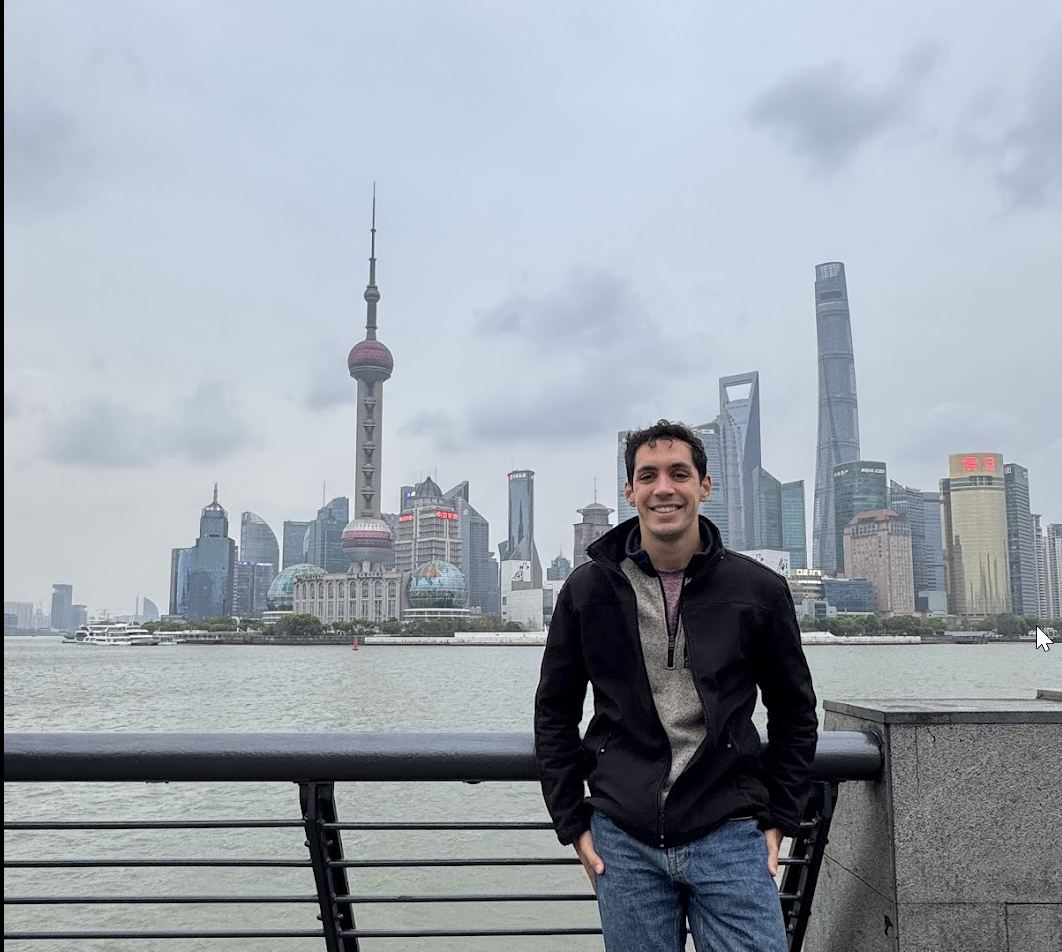
I went to Japan to celebrate my 30th birthday, which already felt dramatic enough on its own. I landed in Tokyo and was instantly overwhelmed by Shibuya and Shinjuku, neon lights, rivers of people, trains that arrive on time (witchcraft), and a level of cleanliness that made me feel personally attacked.
What impressed me the most wasn’t just the scale of the city, but the cordiality. Everyone seemed calm, polite, and impossibly efficient. Meanwhile, I was a jet-lagged tourist trying to remember which pocket held my dignity.
Since it was my birthday, I did what any reasonable adult would do: I searched for fun. I ended up planning the classic Tokyo, Kyoto, Osaka loop, which meant sightseeing, eating irresponsibly, and partying just enough to still be able to walk the next day. But I had extra time, and I felt the urge to do something different, something less Instagram, more “this will probably change me.”
On a train (because of course this happens on a train), I met another tourist who casually mentioned a pilgrimage a few hours from Kyoto. People from all over Japan walk it, he said. Something clicked immediately.
(When the universe whispers “side quest unlocked,” you listen.)
The pilgrimage led to Mount Kōya (Kōyasan), one of the most sacred places in Japan and the center of Shingon Buddhism, founded over 1,200 years ago by the monk Kūkai. The area is famous for its temples, forest cemeteries, and long walking paths that pilgrims follow in silence and reflection. Traditionally, people walk for days, staying in temple lodgings, eating simple meals, and questioning their life choices, exactly what I was looking for.
The path was lined with stone milestones and carved messages, reminders from centuries ago telling travelers how to live. I barely met anyone else on the trail, and honestly, that felt perfect. Some messages spoke about simplicity, others about courage and restraint.
One message stuck with me, a well-known Buddhist idea often summarized as:
欲を制し、心を整える
“Control desire, and the heart becomes clear.”
(I did my best. I still wanted snacks.)
When I finally arrived in town, I was shaking, not from fear, but from something closer to joy. An enormous happiness rose from within me, calm and powerful at the same time. It felt like peace, but sharper. More present. Something I hadn’t experienced before.
As I walked among temples and reflected on life, aging, and whether I had turned the stove off back home, I noticed something strange.
A goat.
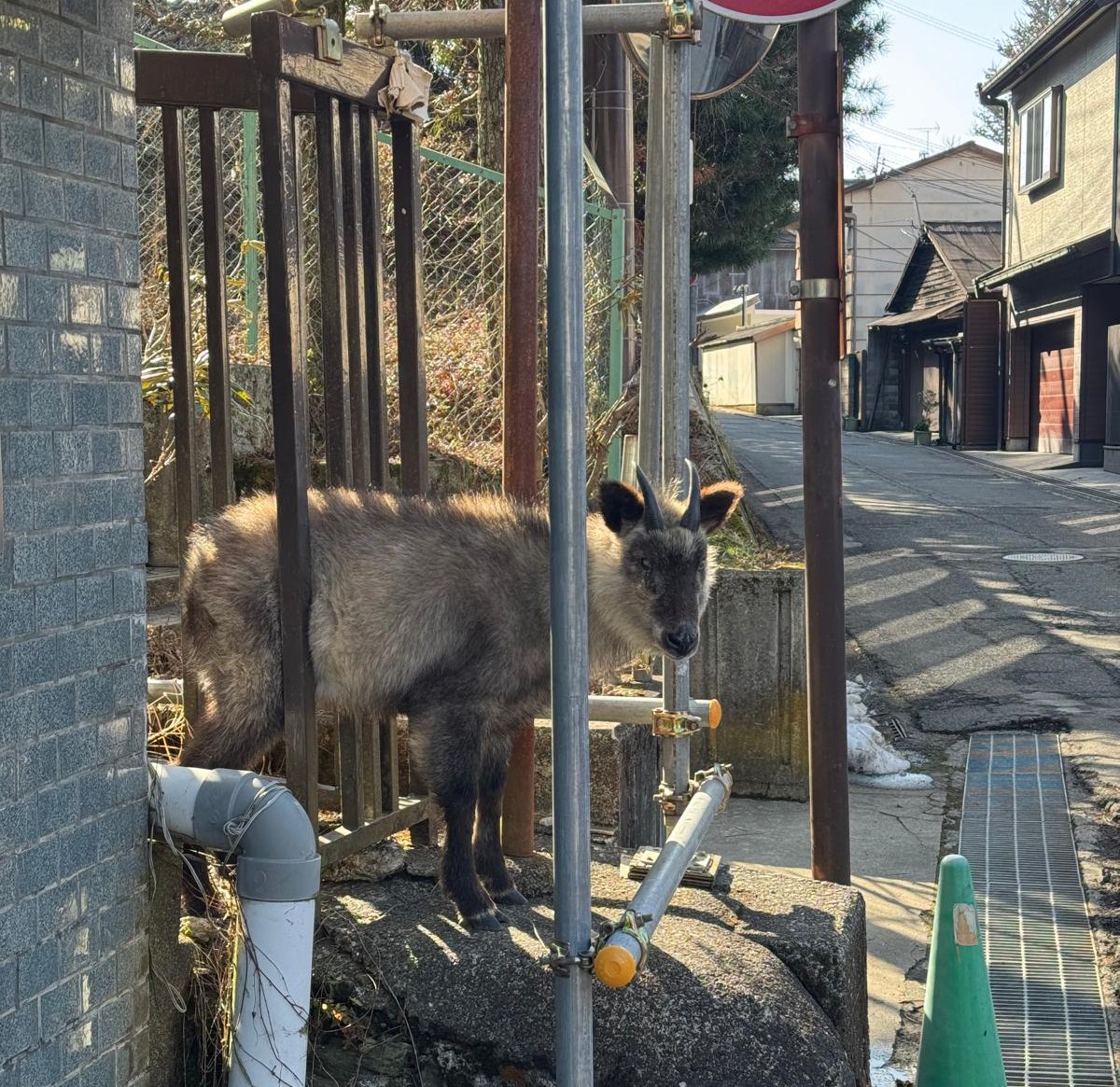
The goat was trapped in a gate, wedged between metal bars. No one was around. The animal was completely still.
At first, I thought maybe it was used to monks and didn’t fear humans. That part turned out to be true. But then I realized something else:
The goat could not move.
Now, in Shinto belief, nature contains spirits called kami, and animals are often seen as messengers or symbols. Also, I’ve always wanted to be the GOAT (Greatest Of All Time). So naturally, I interpreted this as an omen.
This wasn’t a coincidence.
This was a side quest.
I tried everything I could. Sticks. Pulling with all my strength. Negotiating respectfully with the gate (it refused). The bars didn’t move an inch.
I needed help.
Small problem: I don’t speak Japanese.
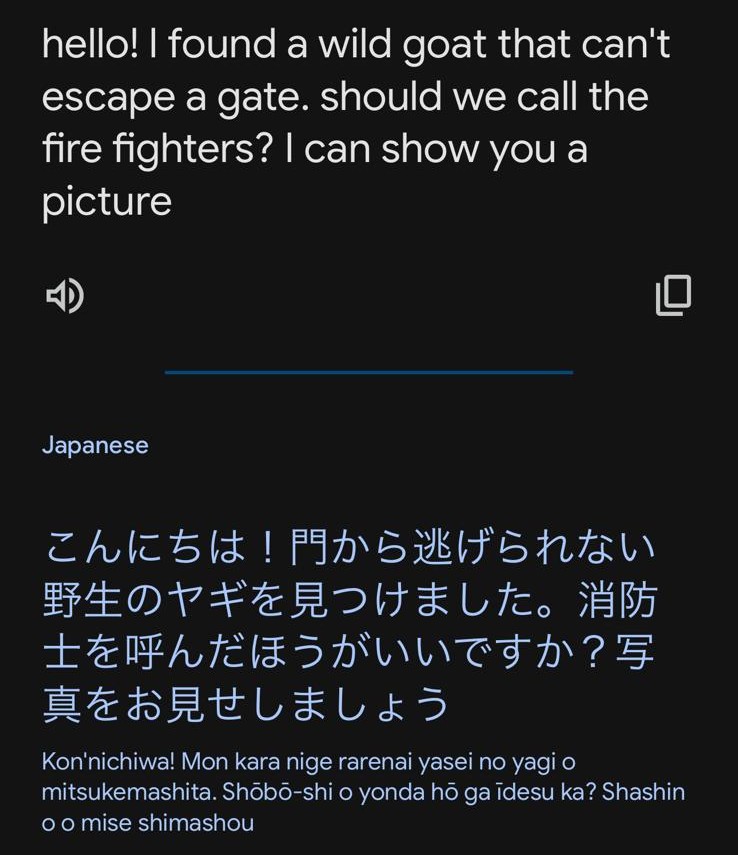
So I gathered my courage, pulled out my phone, and wrote a message explaining the situation as clearly as possible.
I found a nearby firefighter station, but when I arrived, it was empty. Just a phone mounted on the wall. I called it. Someone answered. I understood nothing.
I wasn’t going to abandon the goat.
I saw a car approaching and waved wildly, pointing between the fire station and my phone like a man possessed. Miraculously, they stopped. I showed them the message. They nodded. They called the firefighters.
What happened next was incredible.
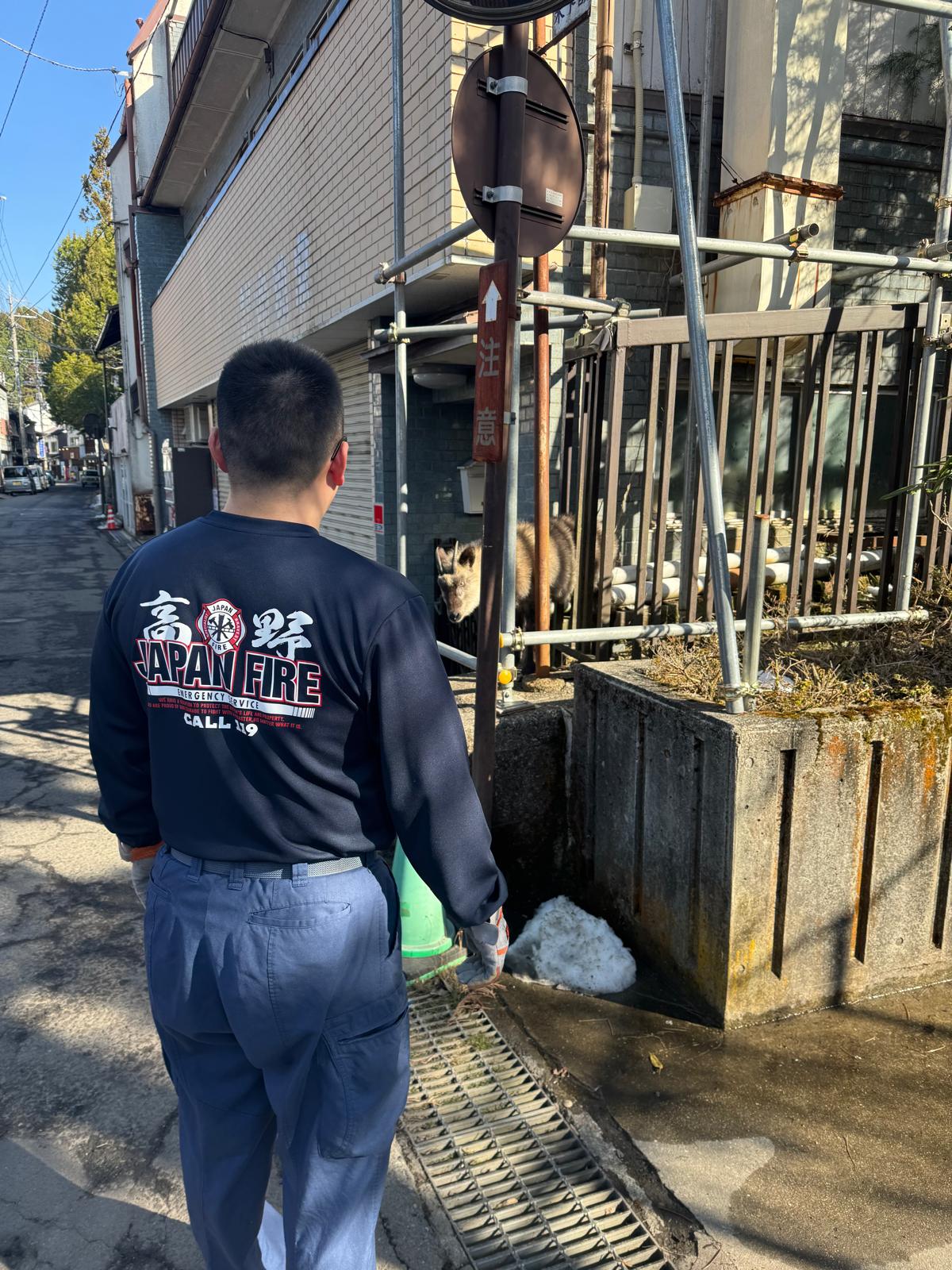
Firefighters rushed down from an upper floor, garage doors flew open, and a truck was ready in seconds. The urgency, the coordination, it felt like a movie.
I showed them the message and a photo of the goat. They pointed to the truck. I made an enthusiastic thumbs-up.
We parted ways.
With ropes and metal bars, they bent the gate just enough to free the goat. The animal stepped out calmly, then turned back and looked at me.
And I swear, something passed between us.
Like I had made a friend.
Like I had completed the quest.
A few days later, I traveled to China. And in the streets of Shanghai, I saw another goat.
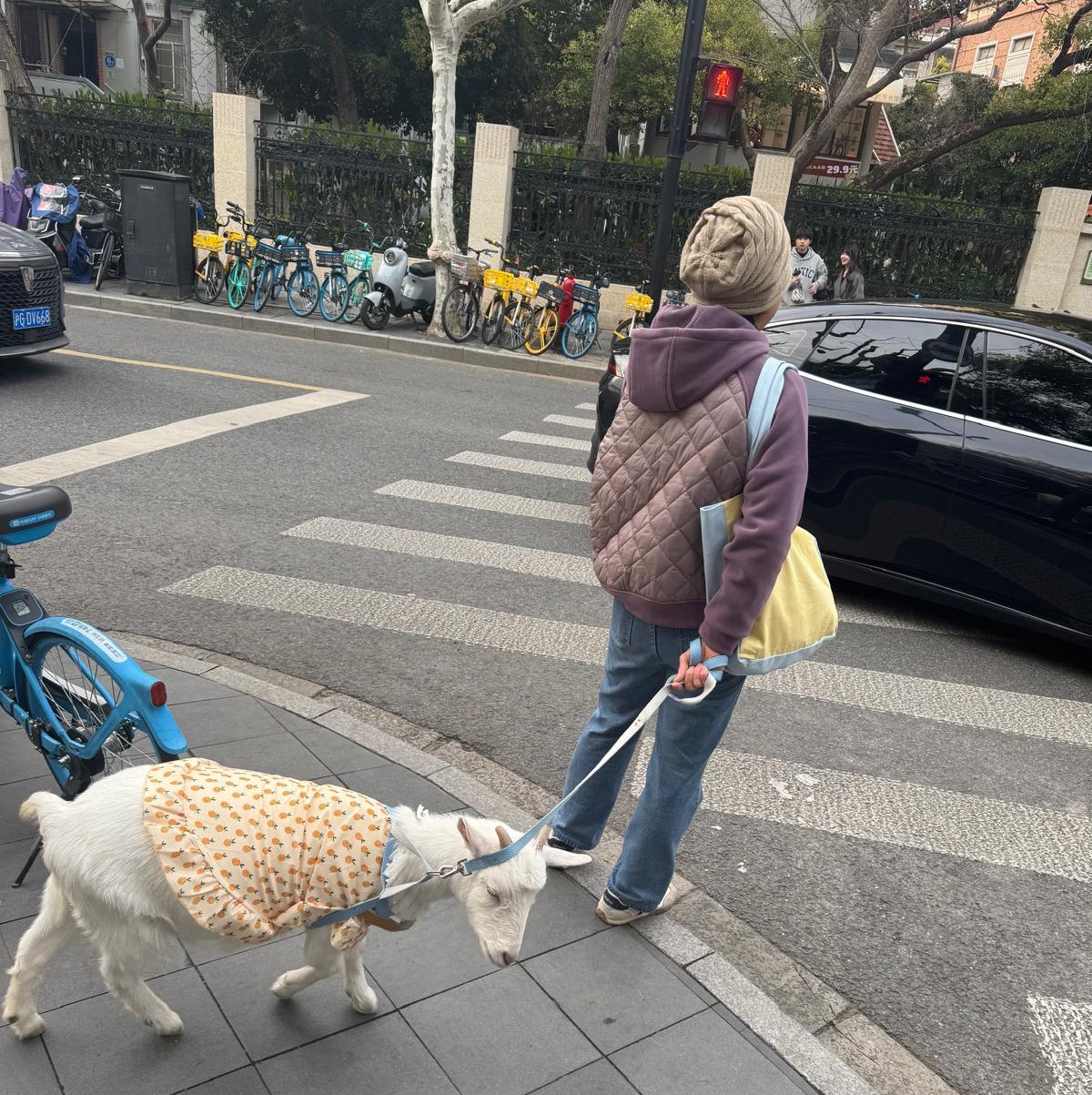
I stopped. It stopped. We looked at each other.
I felt reverence.
The goat blinked first.
Quest complete.